• Hi, I’m Robyn— and welcome to Otaku Odyssey!

    Whether you’re brand-new to anime or you’ve been marathoning since dial-up, let me ask you this: how well do you actually understand anime categories? Even if you’re certain you know the difference between a demographic and a genre, I encourage you to stick around and test that confidence. Today, we’re breaking down the most common category labels in anime — with extra love for the four demographic giants that quietly run the industry behind the scenes.
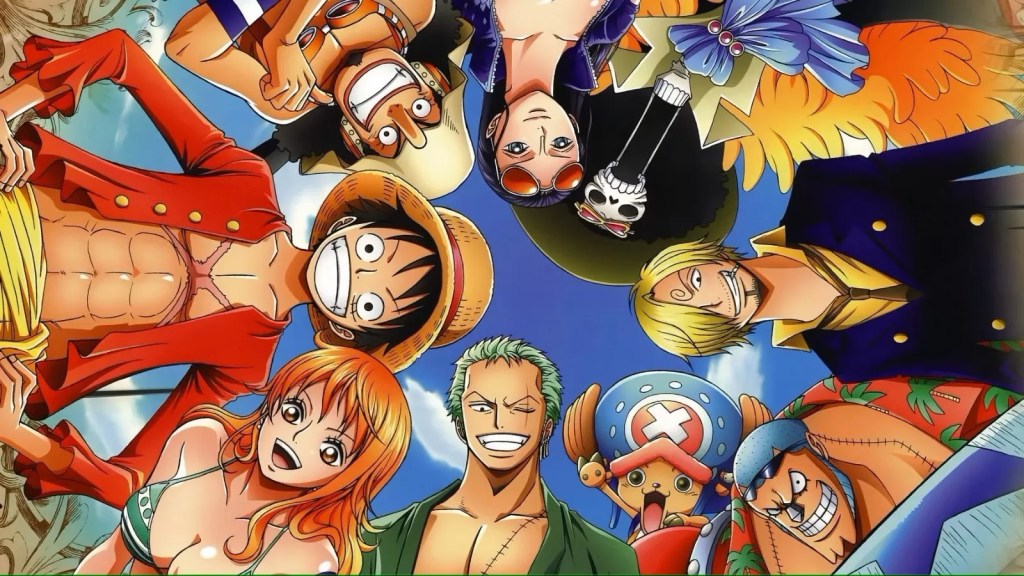
    Image Credit: Toei Animation / “One Piece”, one of the most popular shonen anime series

    When I first got into anime years ago, I only knew a handful of labels — shonen, shojo, action, romance — basically the starter pack. This rudimentary knowledge, as it would turn out, was just the tip of the iceberg. Many people pick up the idea that shonen = action for boys and shojo = romance for girls. And while that sounds tidy and convenient, it’s also wildly inaccurate. In reality, the labeling system is a whole ecosystem, and honestly? It’s a lot more interesting (and chaotic) than most people realize.

    So let’s untangle it — cleanly, calmly, painlessly.

    Most anime series — past and present — start their lives as manga. Manga is usually serialized in weekly or monthly magazines, and each of those magazines has a target age demographic. When a story gets published in one of them, it inherits that demographic label by default.

    This label says who the publisher markets to, not what the story is actually about.

    Here are the four big ones:

    • Shonen (SHOH-nen): boys, ages 12–18
    • Shojo (SHOH-jo): girls, ages 12–18
    • Seinen (SAY-nen): men, ages 18–40 (sometimes older)
    • Josei (JOH-say): women, ages 18–40

    There’s also a smaller but important fifth category:

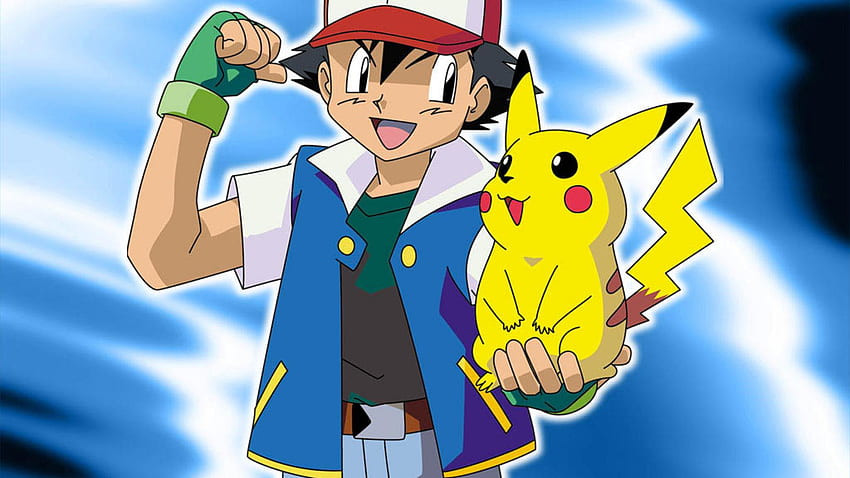
    • Kodomo (KOH-doh-moh): children

    Image Credits: OLM, Inc. / “Pokémon”, a popular kodomo anime series

    A key thing to note: stand-alone anime films usually aren’t adapted from manga and therefore don’t get demographic labels. Instead, they’re classified using the age-rating system of whatever region they’re released in — G, PG, PG-13, R, and so on.

    Manga publishers also assign their own content ratings (these aren’t universal):

    • All Ages
    • Teen (T)
    • Older Teen (OT/16+)
    • Mature (M/18+)

    So don’t assume “shonen” or “shojo” means “appropriate for all teens.” Trust me — some shonen will emotionally destroy you and some shojo will absolutely not hold your hand.

    I desperately want to go deep on how these demographics evolved and shaped the entire manga/anime ecosystem — because the history is absolutely fascinating and changed how I view the medium entirely — but that deserves its own dedicated post. So let’s keep moving.


    Below is a streamlined guide to the most common narrative genres and sub-genres you’ll encounter. Think of this as your map of the narrative landscape.

    Slice of Life

    Stories about everyday life — friendships, family, work, or personal growth. Usually calm, comforting, or introspective.
    Examples: Kaguya-sama: Love is War, Natsume’s Book of Friends, Kakuriyo: Bed & Breakfast for Spirits

    Action / Adventure

    Fast-paced stories involving fights, journeys, or missions. High energy and high stakes.
    Examples: One Piece, Demon Slayer, Fullmetal Alchemist: Brotherhood

    Romance

    Centers around love and relationships, from sweet and lighthearted to emotional or bittersweet.
    Examples: Fruits Basket, From Me to You, Your Name

    Drama

    Character-driven stories about emotion, conflict, and growth. Often overlaps with other genres.
    Examples: Your Lie in April, Violet Evergarden, Attack on Titan

    Supernatural / Fantasy

    Involves magic, spirits, or fantastical worlds — ranging from whimsical to dark and epic.
    Examples: Yu Yu Hakusho, Frieren: Beyond Journey’s End, Delicious in Dungeon

    Science Fiction / Mecha

    Explores technology, space, or robots — often with philosophical or futuristic themes.
    Examples: Cyberpunk: Edgerunners, Neon Genesis Evangelion, Cowboy Bebop, Gundam

    Horror / Psychological

    Designed to unsettle or provoke thought. Can involve monsters, mental tension, or moral dilemmas.
    Examples: Death Note, Paranoia Agent, The Summer Hikaru Died

    Sports

    About competition, teamwork, and self-improvement. Even if you’re not into sports, the emotional storytelling often hits hard.
    Examples: Haikyu!!, Yuri on Ice, Blue Lock

    Mystery / Thriller

    Focuses on suspense, secrets, or investigation. Often blends with psychological or sci-fi elements.
    Examples: Erased, Banana Fish, the Promised Neverland

    Isekai (EE-seh-kigh) / (異世界)

    Literally “another world.” A character is transported or reincarnated into a different world and must adapt or survive there.
    Examples: Re:Zero, Sword Art Online, That Time I Got Reincarnated as a Slime

    School / Coming-of-Age

    Explores adolescence, friendship, and identity — often set in schools or familiar social settings.
    Examples: Horimiya, A Silent Voice, Dan Da Dan

    Historical / Pseudo-Historical

    Set in real or inspired historical periods, sometimes with fantasy or action elements.
    Examples: The Apothecary Diaries, Moriarty the Patriot, The Tale of the Princess Kaguya

    Comedy

    Anime that lean on humor — from absurd and slapstick to clever and self-aware.
    Examples: Ranma 1/2, Jojo’s Bizarre Adventure, Ghost Stories (Dub)


    These aren’t genres. They aren’t demographics. They’re marketing categories, shelving tags, or content labels — but they’re hugely important for discovering the kinds of stories you want.
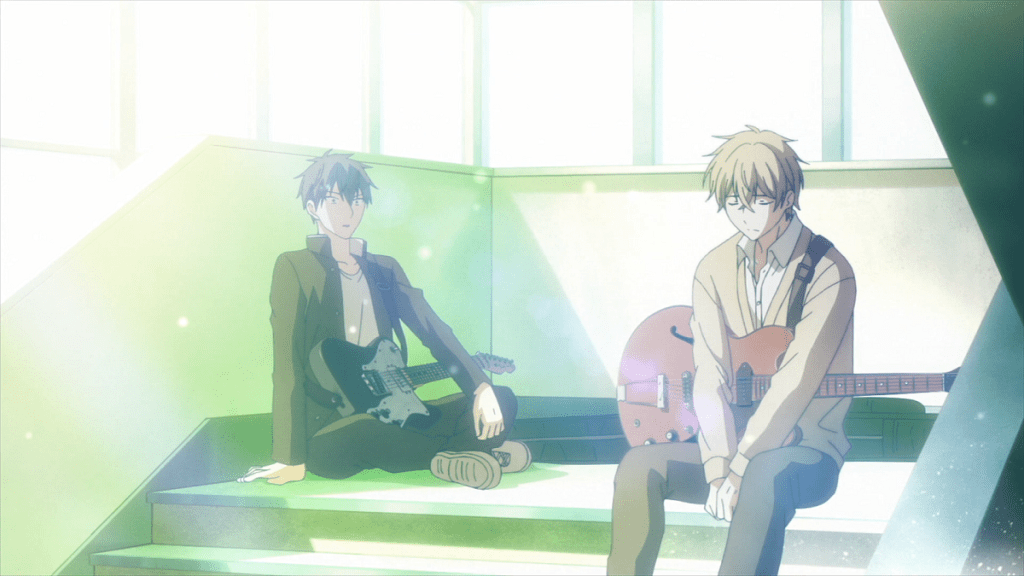
    Image credits: Studio Lerche / “Given”, one of the most popular BL anime series

    BL (Boys’ Love) / Yaoi (YOW-ee)

    What it is:
    Romantic or sexual relationships between male characters.
    Focus = the relationship, not sexual orientation labels.

    What it’s not:

    • Not automatically LGBTQ+ representation, although it can be
    • Not tied to any demographic
    • Not defined by author intention alone

    GL (Girls’ Love) / Yuri (YOO-ree)

    What it is:
    Romantic or emotionally intimate relationships between women.

    What it’s not:

    • Not demographic-specific
    • Not automatically explicit
    • Overlaps with LGBTQ+ themes but isn’t always about that

    Harem

    One central male character, many female suitors. Romance chaos as a structural feature.

    Reverse Harem

    Same dynamic as a harem, but with a central female lead and multiple male romantic interests.
    Common in shojo, josei, and otome adaptations.

    Ecchi (EH-chee)

    Sexy, silly, flirtatious fan service.
    Think “playfully risqué,” not explicit.

    Typical elements: accidental nudity, innuendo, beach episodes, gravity-defying boob physics.

    Hentai (HEN-tigh)

    Let’s not beat around the bush. Hentai is explicit sexual content. That’s it. That’s the category.


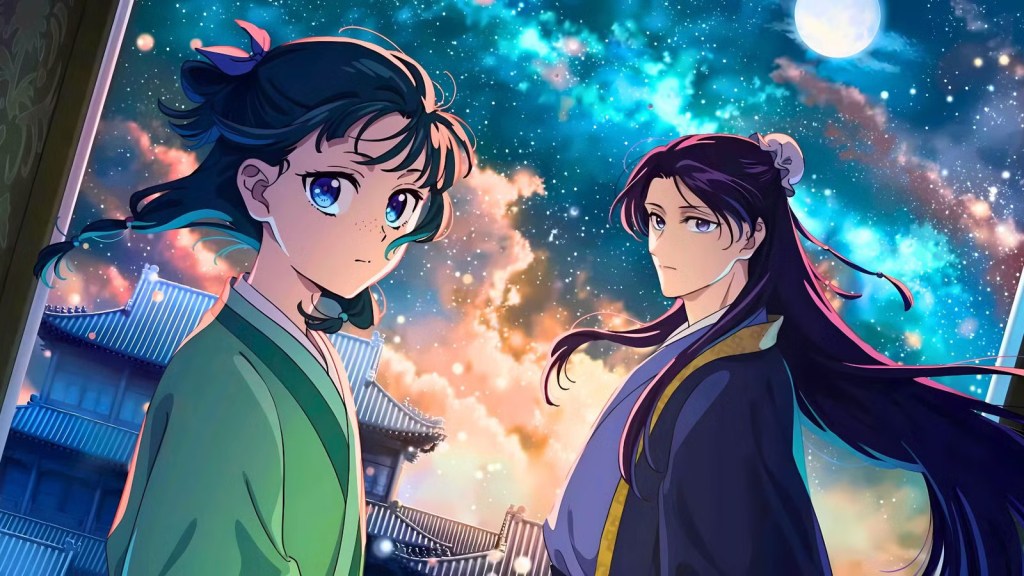
    Image credits: TOHO Animation Studio & OLM, Inc. / “The Apothecary Diaries”, a popular seinen anime series

    It’s vital to remember that manga and anime rarely fit cleanly into one box. Labels can be useful, but they’re also marketing tools — not holy scripture. A “shonen romance” might have more emotional depth than a typical shojo series. A “shojo drama” might hit harder than any gritty seinen.

    Let categories guide you, not limit you.

    Stories blur, bend, and break boundaries all the time. Let yourself meet each one on its own terms.

    In my next post, I’ll be diving deeper into shonen, shojo, seinen, and josei — their histories, their quirks, their social impact, and how understanding them reshapes the way you read manga or watch anime. These systems cracked my brain open in the best way, and I can’t wait to share that journey with you.

    Until then, I wish you safe travels on your otaku odyssey.

  • Hi, I’m Robyn, and welcome to Otaku Odyssey!

    Today’s post is for anyone who’s brand new to anime — or maybe curious but unsure where to start. My goal is to help you build a bit of foundational knowledge so that even if you’ve never seen a single episode, you’ll come away with a clearer understanding of what anime is, the culture around it, and why so many people are drawn to it.


    In the simplest terms, anime (AN-ih-may) refers to animated series and films that originate from Japan. In Japanese, anime literally just means animation of any kind, but in English, we use it specifically for Japanese animation. Much of anime is targeted for teens and young adults, but I would definitely say that much of the content is more so intended for mature audiences rather than younger audiences (although there are certainly anime appropriate for children, not the majority of anime titles).

    More than half of all anime are adapted from Japanese graphic novels called manga (MAHN-guh). Others come from light novels (Japanese books written in accessible language with manga-style illustrations), video games, or other forms of literature. A smaller portion are original works with no pre-existing source material.

    Anime is often recognized by its distinctive visual and emotional style — expressive characters, colorful art, and layered storytelling. While these traits aren’t present in every series, they’re common hallmarks. It’s also worth noting that anime isn’t a genre (like action or romance); it’s a medium, containing every genre imaginable.

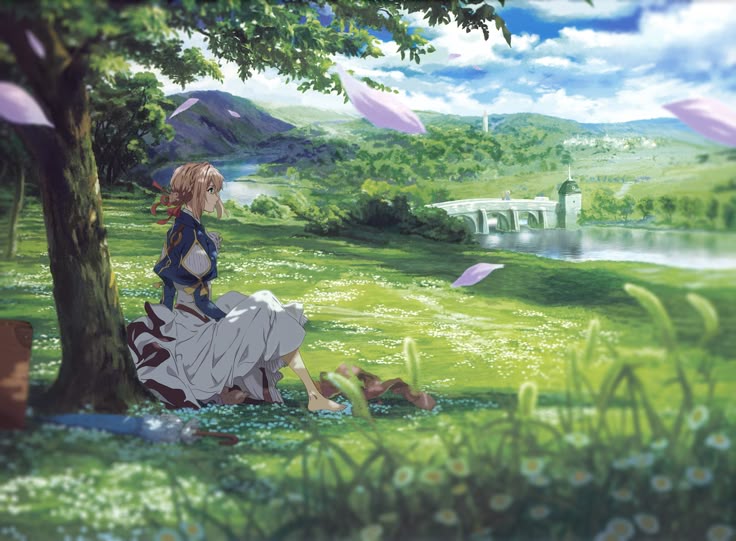
    Image credit: Kyoto Animation / “Violet Evergarden”

    I never judged anyone for liking anime, but my understanding of it was very limited. Growing up in a rural area, I didn’t have much exposure to it. I could recognize a few major characters — Luffy from One Piece, Deku from My Hero Academia, Goku from Dragon Ball Z, and Pikachu — but that was about it.

    I made unfair generalizations without ever giving anime a fair chance. I assumed it was all loud, over-the-top, and fanservice-heavy — especially based on the posters I’d seen from popular series like Fairy Tail or My Hero Academia. Seeing how often characters were sexualized online didn’t help, either. I lumped all anime together as one big monolith, not realizing how incredibly diverse it actually is.

    I also didn’t know what to make of the exaggerated expressions or character tropes that are part of anime’s storytelling language. So instead of learning, I just wrote it off as “not for me.” But I couldn’t have been more wrong.

    My husband helped bridge that gap by introducing me to Avatar: The Last Airbender — which, while American, clearly draws inspiration from anime’s visual style and storytelling. From there, he showed me my first real lineup: Attack on Titan, Haikyu!!, To Your Eternity, and Mob Psycho 100. We also watched an assortment of Studio Ghibli films along the way.

    Those shows completely flipped my perspective. I realized how varied anime truly is — not just in visuals or genre, but in tone, theme, and emotional depth. Granted, I started with series that avoided heavy tropes or fan service, but that was enough to make me curious and more open-minded.

    There’s an anime out there for nearly everyone.

    Even if you don’t love all anime, the medium is so broad that you can almost always find a series that resonates with you. The quality of storytelling, music, and emotional range blew me away — and the key is simply staying open-minded and finding the right starting point for you.


    If you’re new to anime and just want a place to start, I’ve created a few beginner-friendly charts to help guide your choices. Most of these series are ones I’ve personally watched and loved, but I’ve also included a handful that weren’t exactly my cup of tea yet are widely considered great entry points for newcomers.

    I grouped them by tone and genre to help you find something that matches your preferences in books or film. The lists are spoiler-free but detailed enough that you won’t be going in blind.

    You’ll probably notice that most of my recommendations lean toward newer anime. That’s not because I don’t enjoy older series — far from it! Many of them have phenomenal stories and unforgettable characters. But I’ve found that for someone completely new to anime, starting with more recent series is often a smoother experience.

    Older anime can sometimes include tropes, pacing, or visual styles that might feel jarring if you don’t yet have a sense of anime’s storytelling rhythm. Once you’ve gotten more comfortable with the medium, those quirks often become charming (or even nostalgic), but as a first impression, they can be off-putting if you’re not prepared for them.

    So think of these recommendations as a gentle introduction (relative to the individual, of course) — a way to ease in before exploring the full, rich history of anime later on.


    When it comes to animated series, here is what I suggest when it looking for a particular tone of story:

    Epic Action & Adventure

    • One Piece
    • Fullmetal Alchemist: Brotherhood
    • Naruto
    • Demon Slayer
    • Jujutsu Kaisen
    • Solo Leveling

    Dramatic, Emotional, & Reflective

    • Frieren: Beyond Journey’s End
    • To Your Eternity
    • Violet Evergarden
    • Fruits Basket (2019)
    • Your Lie in April
    • The Apothecary Diaries

    Wholesome, Cozy, and Quirky

    • Spy x Family
    • Delicious in Dungeon
    • Haikyu!!
    • Zenshu
    • Mob Psycho 100
    • Ouran High School Host Club

    Dark & Intense

    • Attack on Titan
    • Death Note
    • Cyberpunk: Edgerunners
    • TO BE HERO X*
    • Link Click*
    • The Summer Hikaru Died

    *NOTE: TO BE HERO X and Link Click are actually Chinese animated series (donghua), not technically anime but very similar in style.

    Romantic & Heartfelt

    • Horimiya
    • From Me to You
    • Yona of the Dawn
    • A Sign of Affection
    • Yuri!!! On Ice
    • Snow White with the Red Hair

    If you are interested in a lower time commitment, I’d definitely recommend just about any of the Studio Ghibli films, especially ones that were directed by Hayao Miyazaki. Here are some of my favorites, plus a couple of other excellent stand-alone films from other studios:

    Studio Ghibli Films

    • Howl’s Moving Castle
    • Spirited Away
    • Laputa: Castle in the Sky
    • Princess Mononoke
    • My Neighbor Totoro
    • Kiki’s Delivery Service
    • Nausicaa of the Valley of the Wind
    • Porco Rosso
    • The Secret World of Arrietty
    • When Marnie Was There

    Other Films

    • Your Name
    • Suzume
    • A Silent Voice
    • Weathering with You

    If you would like more information about the anime series before making any time commitments, I have divided some info to aid you into two different charts. The first chart gives you a broad sense of tone and genre.

    I also created a supplemental chart for anyone who wants to take a more customized approach to finding their first anime in case there are aspects you are picky about or value in stories.

    This one goes a little deeper and includes:

    • General setting (modern, fantasy, sci-fi, historical, etc.)
    • Whether it’s character- or plot-driven
    • The main character’s gender
    • Whether it includes queer or LGBTQ+ characters
    • If there’s a quality English dub available
    • The presence or type of fan service
    • Completion status of the series and its source material(s)
    • An approximated length of the series (Note: Ongoing series have numbers that change, so it’s only up-to-date at the time of publishing this post.)

    I built this chart because I know our preferences — and our comfort levels — can really shape how easily we connect with a story. My goal is to help you have the best possible first experience with anime, one that fits your interests and values.


    Image credit: Studio Madhouse / “Frieren: Beyond Journey’s End”

    Wherever you begin, remember that anime is vast and full of surprises. Even if you only end up loving one or two series, that’s still enough to open a whole new world of storytelling.

    And if you think you “don’t like” certain genres, I encourage you to try something unexpected. I’m the furthest thing from a sports fan, yet Haikyu!! — an anime about volleyball — became one of my all-time favorites. I’d definitely try giving an assortment of titles a try since many are vastly different and consider circling back at a later time if it doesn’t fit the mood you are looking for. Try watching the first 6-12 episodes of a series if you can, whether it’s in Japanese with subtitles or with an English dub. Do whatever makes your introduction a comfortable and pleasant experience, but please keep an open mind to the things that may feel unfamiliar.

    Best wishes if this marks the beginning of your anime journey — I hope you find something that speaks to you! I wish you safe travels on your otaku odyssey.


  • Hi, I’m Robyn—and welcome to Otaku Odyssey.

    This blog (and its future YouTube channel) is something of a spontaneous venture for me. A few months ago, after finding some unexpected inspiration, I thought to myself: “What the hell, why not?” I’ve always been more introverted than extroverted, so the idea of putting myself out there feels a little daunting. But at the same time, it feels exciting to take the plunge and share something meaningful with others.

    To be transparent, this is my first attempt at creating structured, public-facing content. And yet, I’ve chosen to start with a subject that I’ve become deeply passionate about over the past few years: anime. Sharing my thoughts feels a little scary, but it also feels right, because anime has come to mean a lot to me—not just as entertainment, but as a lens through which I think differently about storytelling, culture, and media.

    Before I dive into future posts, I want to begin with a proper introduction. In the spirit of an old-fashioned story structure, this post will be divided into three acts:

    So, without further ado, let’s begin.


    I am a 25-year-old university graduate from the American Midwest, and in recent years I’ve been working as a technical writer and content editor. At my local university, I majored in English (Literature & Culture) and minored in Music. Along the way, I changed degree programs a couple of times, which gave me the opportunity to study a wide variety of disciplines outside my final program. My coursework spanned music (theory and performance), literature, linguistics, secondary education, psychology, gender studies, sociology, and, of course, writing.

    Outside of academics, I’ve always been drawn to creative and cultural pursuits. I was a lifelong choir and band kid (self-taught on piano and alto saxophone), and I also spent time involved with my university’s association for international students. Beyond school, I’ve picked up plenty of interests over the years, including drawing, video games, learning other languages, and playing Dungeons & Dragons with my friends.

    As far back as I can remember, I’ve had a deep affinity for art, history, fantasy, whimsy, period dramas, and soundtracks. I realize that some of these details might not seem strictly relevant to the kind of anime content I want to create, but I think they matter. They shape the way I experience stories and the way I approach my analysis here.

    At the end of the day, I want to emphasize that while my goal is to inform and entertain, I’m still a person with passions and quirks on the other side of the screen. My background and experiences naturally influence my preferences and interpretations. That said, I will always strive to be clear when I’m speaking from a subjective standpoint versus when I’m aiming for something more objective.

    I don’t consider myself an expert in any one of the areas I’ve studied or dabbled in, but I do believe I have a broad base of foundational knowledge that will shape my perspective in meaningful ways. And that, I think, is part of what makes my voice unique.


    I’ll be completely honest: I didn’t grow up watching anime.

    There were several reasons for this. First and foremost, my family didn’t have internet or cable television at home for most of my childhood—and even well into my college years. At home, my options were limited to DVDs, VHS tapes, and the occasional show I caught while visiting friends or relatives. I could, of course, use the internet at school or other people’s houses, but for the most part my media world felt pretty small and insulated.

    Beyond that, I grew up in a very rural area, I had fairly protective parents, and I was generally ignorant of what anime even was. I never judged or thought less of people who enjoyed it, but outside of a vague awareness of Pokémon and a few older-generation Shonen shows, I simply didn’t know enough to be curious. Even in college, when some of my closest friends were officers in our university’s anime club, I still never felt any peer pressure to watch. I just assumed anime wasn’t for me. (And, wow, was I wrong.)

    My first “introduction,” if you could even call it that, came years ago when an ex-boyfriend spontaneously put on a couple random episodes of My Hero Academia. It didn’t click for me at the time—and honestly, it wasn’t the best starting point. Things didn’t really change until my now-husband decided to introduce me to anime more intentionally.

    He began with Avatar: The Last Airbender. I know it’s technically not anime, but it was the perfect bridge between the familiar world of Western animation and what was waiting for me beyond it. After that, he took a sharp turn and had me watch Attack on Titan. That show became my first official anime—and it was the one that completely shattered my assumptions. My perspective on storytelling, animation, and Japanese media shifted in a way that made me realize just how much I’d been missing.

    From there, the door was wide open. I discovered the magic of Studio Ghibli films (fun fact: my husband and I choreographed our first dance at our wedding to “The Merry-Go-Round of Life” from Howl’s Moving Castle), which gave me a sense of comfort and nostalgia because of how much they reminded me of the Disney movies I grew up with. Then came series like Haikyuu!!, To Your Eternity, and Mob Psycho 100. I loved them all—so much so that I was even surprised by my enjoyment of Haikyuu!!, given that I am far from a sports enthusiast.

    Eventually, I started venturing out on my own. At first, I gravitated toward Shojo and romance series. One of the first that really captured me was the 2019 adaptation of Fruits Basket—a show that has meant so much to me that it even inspired my first (and currently only) tattoo. To this day, Fruits Basket remains one of my favorites, both for its story and the personal significance it carries.

    As I watched more series, I also began doing my own research outside of the shows themselves. I wanted to understand the cultural context behind what I was seeing—what was exaggerated for storytelling versus what reflected real life in Japan. I mostly relied on credible sources online, but I also read forum discussions and personal anecdotes from fans who had firsthand experience living in Japan. Little by little, I built a more informed perspective, which has been invaluable for someone like me who has never lived in or visited Japan. For what it’s worth, my sister-in-law is Japanese and was raised in Japan, which gives me a small, personal connection to the culture through family.

    Since then, I’ve watched 50+ series across a range of genres and categories. With every new show, I’ve learned more about the incredible variety within anime: how two series in the same genre can feel completely different, and how much room there is for experimentation and surprise.

    I’ve developed preferences, of course, based on the kinds of stories and characters that resonate with me, but I do my best to keep an open mind. Part of what excites me most about anime is its sheer diversity—and I don’t want to close myself off from experiences that could challenge or expand my perspective.

    It’s been a fascinating journey so far, and one I fully intend to keep pursuing.


    So, what can you expect from this space?

    Right now, my content will take two forms: blog posts and articles here on both WordPress and Medium, and YouTube videos on a channel with the same name. I want my work to fall under edutainment—informative, engaging, relatable, and occasionally opinionated. My goal is to help others think critically about anime while still having fun with it.

    I consider myself a progressive, curious, and reflective creator. I try to balance logic with compassion, always think critically about media, and respect nuance. As a young woman who is relatively new to anime, I bring a perspective that might differ from longtime fans. I often notice writing choices, character dynamics, and storytelling conventions from the lens of someone exploring the medium in today’s context.

    At the same time, I recognize the importance of not imposing modern Western values onto every story or context. Anime, like any literature or media, exists within cultural, historical, and narrative frameworks that sometimes require understanding beyond our own perspective. I often notice both objective issues within the anime industry and relevant cultural considerations in Japanese society. My goal isn’t to unfairly judge or impose external standards, but to highlight patterns, challenges, or contextual points that help deepen understanding. There are aspects of Japanese media and culture that scholars and fans alike have identified as problematic, but there are also countless interesting, beautiful, and thought-provoking elements—just as with any culture around the world. I aim to approach these topics thoughtfully, balancing critical observation with appreciation and respect for the cultural and creative contexts that shape each story.

    The types of content I plan to create include:

    The first series I’ll explore in depth is Dan Da Dan. It’s a show that’s sparked some controversy in certain corners of the anime community, and I want to examine both its content and the cultural context behind it. Some story and writing choices make perfect sense to Japanese audiences but can be confusing or misunderstood by Western viewers. Exploring these nuances has already been a rabbit hole (thanks, ADHD!), and I can’t wait to share the insights I’ve gained.

    While my blog posts will be more structured, my YouTube videos will offer a more casual, conversational delivery—so you’ll have options for how you consume the content. My hope is that over time, both formats will complement each other, with blog articles providing a detailed foundation and videos offering a relaxed, personality-driven exploration.

    At the heart of it, I watch and analyze anime not just to be entertained, but to think, reflect, and feel deeply. That’s the joy I hope to share here. This space is about curiosity, passion, and community—an invitation to explore anime thoughtfully, together.